EUROPEAN MARITIME EDUCATION INITIATIVE

Barbaros Hayrettin Pasha
Maritime Vocational & Technical School

PROJECT WAVE

Sustainable Future for the Blue Economy

Vision

Strategic Vision We are weaving sustainability into the core technical curriculum of maritime education, fostering "Green Maritime" awareness.

Training

Action-Oriented Training We aim for modern sailors to not only navigate ships but also take technical actions to protect the marine ecosystem.

Network

Vibrant Learning Network Through interactive resources shared across Europe, we make maritime education a more dynamic experience.

Future

Eco-Friendly Future We develop green shipbuilding competencies compatible with next-generation fuel technologies.

Towards Greener Oceans

The WAVE project aims to modernize maritime vocational education by integrating Eco-Science literacy into the technical curriculum. We are not just teaching how to sail; we are teaching how to coexist with the marine ecosystem. Through this partnership, we are developing new pedagogical approaches for the 21st-century sailor.

Ship Engine

Detailed Project Outcomes

Concrete Objectives

  • Equip educators with Marine Eco-Biology & Science literacy.
  • Reduce future maritime ecological footprint.
  • Improve green skills in shipbuilding and overhaul.
  • Develop lasting sustainable maritime resources.
70% Increase in student & teacher green competencies

Project Outputs

  • Ecofriendly Guidebook: For Teachers.
  • Competency Handbook: For Students.
  • Article: Ocean Sustainability in Education.
  • Transnational Activities: Local Action Plans.
20% Increase in graduate employability

1. Marine Eco-Biology Integration

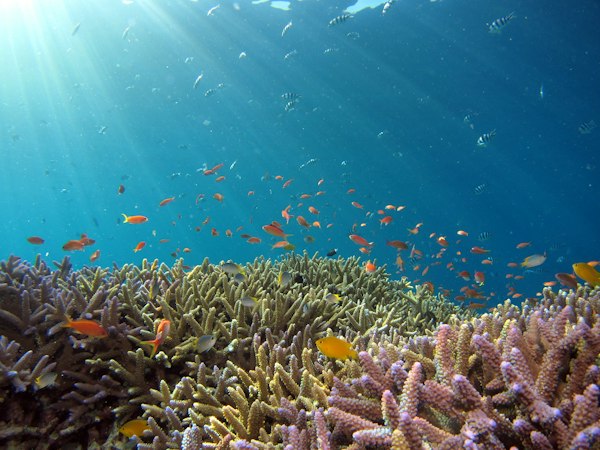
Marine Eco-Biology Integration is an interdisciplinary field that examines the complex, functional relationships between marine organisms and their physical and chemical environments. It moves beyond studying isolated species to treat the ocean as a unified system where biological processes, such as photosynthesis and migration, are deeply intertwined with ecological dynamics like nutrient cycling and food webs. At its core, this integration focuses on trophic levels from primary producers like phytoplankton to apex predators and how energy flows through these hierarchies. It also highlights the critical role of biogeochemical cycles, particularly the ocean's "carbon pump," which regulates global climate by sequestering CO₂. Modern study in this field increasingly addresses human-induced stressors, such as ocean acidification (pH reduction) and thermal stress, which disrupt symbiotic relationships like those found in coral reefs. By analyzing factors such as salinity, thermoclines, and benthic coupling, scientists can better understand how marine life adapts to a changing environment and how to maintain the overall health of the oceanic ecosystem.

Marine Science

2. Green Shipbuilding Competencies

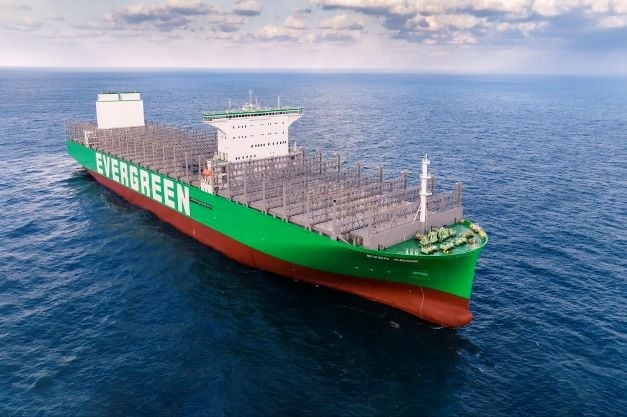
Green Shipbuilding Competencies represent a multidimensional set of skills and knowledge required to design, construct, and operate vessels that minimize environmental impact throughout their lifecycle. At its core, this expertise involves a deep understanding of alternative propulsion systems, such as LNG (Liquefied Natural Gas), hydrogen fuel cells, and ammonia-powered engines, as well as the integration of renewable energy sources like wind-assisted propulsion and solar arrays. Beyond power generation, competencies extend to advanced energy efficiency management, which includes optimizing hull forms for reduced drag, utilizing air lubrication systems to decrease friction, and implementing waste heat recovery technologies that repurpose thermal energy for onboard systems. Environmental compliance is equally critical, requiring mastery of international regulations like the IMO’s EEXI (Energy Efficiency Existing Ship Index) and CII (Carbon Intensity Indicator) to ensure ships meet strict carbon reduction targets. Furthermore, green shipbuilding demands proficiency in sustainable materials science selecting recyclable or low-impact components and digital twins or IoT-based monitoring to track real-time emissions and fuel consumption. Ultimately, these competencies bridge the gap between traditional naval architecture and modern environmental engineering, focusing on a holistic "well-to-wake" approach that accounts for the total carbon footprint of maritime operations.

Shipbuilding

3. Transnational Collaboration Networks

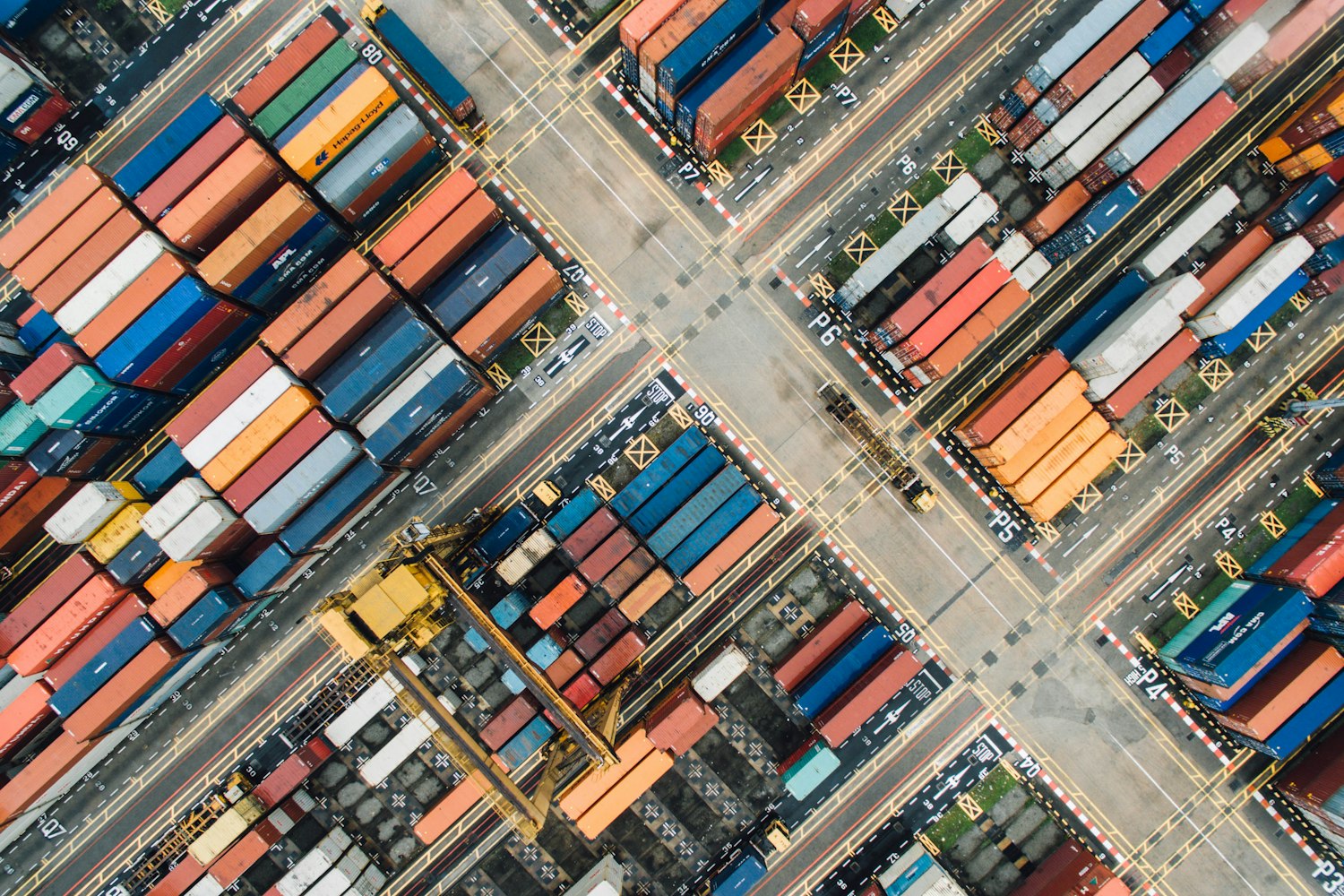
Transnational Collaboration Networks in the maritime and industrial sectors represent a sophisticated framework of interconnected organizations, governments, and research institutions working across borders to achieve common technological and environmental goals. At its core, this concept facilitates the seamless exchange of specialized knowledge, technical standards, and financial resources, which is essential for solving global challenges that no single nation can tackle alone, such as decarbonizing international shipping lanes or establishing global cybersecurity protocols for autonomous vessels. These networks function by integrating diverse expertise ranging from academic research in green propulsion to private sector manufacturing and public sector policy-making into a unified strategic "ecosystem." By aligning international regulations and sharing the high costs of research and development, these collaborations accelerate the adoption of innovations like global "Green Corridors" and standardized port infrastructure for alternative fuels. Effective participation in these networks requires high-level competencies in cross-cultural communication, international maritime law, and digital interoperability, ensuring that data and technical solutions can be scaled globally. Ultimately, these networks serve as the backbone of the modern "blue economy," fostering a shared responsibility for ocean governance while driving the collective transition toward a more sustainable and digitally integrated maritime future.

Collaboration